
Top Questions Homeowners Ask About Geothermal in Winter (BC Edition)
December 24, 2025
Winter is when most homeowners start asking the hard questions: Why is my house unevenly heated?
Why are my bills climbing? Is there a better way to stay comfortable?
If you’ve been hearing about geothermal heating and cooling, December is a perfect time to learn what it is,
how it performs in cold weather, and whether it could be a fit for your property.
This guide answers the most common winter questions we hear from homeowners across British Columbia—plain language,
no hype. If you want a quick summary first: geothermal is a “move heat” system that taps into stable ground temperatures
to provide consistent comfort, often with excellent efficiency—even when it’s cold outside.
Why winter brings geothermal questions to the surface
In the Fraser Valley, Metro Vancouver, and throughout BC, winter doesn’t just bring colder temperatures—it brings longer run-times for your heating system. That’s when the “small issues” become impossible to ignore:
- rooms that never warm up,
- loud cycles,
- dry air,
- drafts you thought you fixed,
- and energy bills that feel like they climbed overnight.

Geothermal comes up in these conversations because it’s designed for stable, steady performance. Instead of trying to pull heat from cold outdoor air, geothermal uses the ground as a consistent thermal source. The earth a few feet below the surface stays much more stable than winter air, which can help geothermal systems maintain efficiency and comfort during colder months.
That said, geothermal isn’t “one size fits all.” Your home’s insulation, ductwork (if any), available land or drilling access, and your current heating method all matter. The best way to decide is to understand the basics—and ask the right questions.
Let’s dig into the ones homeowners ask most in winter.
The top questions homeowners ask about geothermal in winter
The questions below are written exactly as we hear them from homeowners. Click any question to jump to the details,
then browse the FAQ section at the end for quick answers.
1) Does geothermal actually work when it’s freezing outside?
Yes—geothermal is built to provide heating in cold weather.
The reason is simple: geothermal relies on the stable temperature of the ground, not the fluctuating temperature of winter air.
While outdoor air can swing wildly from mild to very cold, the ground temperature below the frost line remains comparatively steady.
A geothermal heat pump uses a closed-loop system (pipes in the ground) or an open-loop (in some cases) to exchange heat with the earth. In winter, it draws heat from the ground and transfers it indoors. It’s not “creating heat” by burning fuel—it’s moving heat. That’s why heat pumps can be so efficient: they use electricity primarily to run the compressor and circulation pumps, not to generate heat directly like electric baseboards.
In practical terms, homeowners often describe geothermal winter comfort as “steady.” You’re less likely to feel big blasts of hot air followed by cold periods. Instead, many systems maintain temperature more consistently, which can feel more comfortable day-to-day.
2) Is geothermal better than an air-source heat pump in winter?
It depends on your home and goals, but here’s the key difference: an air-source heat pump exchanges heat with the outdoor air, while a geothermal system exchanges heat with the ground. In winter, outdoor air can be cold enough that an air-source system may need to work harder to extract heat. Many modern air-source heat pumps are excellent and can perform well in BC’s climate, but efficiency and capacity can still vary during very cold stretches.
Geothermal systems are insulated from outdoor temperature swings because the ground remains more stable. That stability can translate into consistent performance and comfort. The tradeoff is that geothermal requires a ground loop (vertical boreholes or horizontal trenches), which increases upfront complexity compared to many air-source installs.
The best approach is to compare options for your property: home size, available land, drilling access, insulation levels, and whether you need heating only or both heating and cooling. A good contractor will help you understand realistic outcomes—not just theoretical numbers.
3) Will geothermal lower my winter heating bills?
Many homeowners choose geothermal specifically to reduce operating costs, but the honest answer is: it depends on what you’re replacing and how your home is built. If you’re currently using electric resistance heat (baseboards), older inefficient equipment, or expensive fuels, geothermal may offer meaningful reductions. If you already have an efficient system and excellent insulation, the savings might be smaller—but comfort and long-term stability can still be compelling reasons.
What tends to make the biggest difference in winter is the combination of:
- Home envelope: insulation, windows, air sealing, and draft control
- Distribution system: duct design, airflow balance, or hydronic/radiant layout
- Correct sizing: a system matched to your actual load (not guesswork)
- Controls and settings: smart programming and steady setpoints can help heat pumps perform well
In other words: geothermal can be a strong efficiency move, but it works best when it’s part of an overall “comfort plan” for your home—not just a swap of equipment.
4) Will my home feel warmer and more even during cold snaps?
Homeowners often ask this because winter exposes uneven heating fast—especially in multi-level homes, older homes, and homes with additions. Geothermal systems can help create a more even indoor experience because they’re designed to deliver consistent heating output without relying on short, high-temperature bursts
That said, “even warmth” isn’t just about the heat pump. It’s also about airflow, duct balancing, zoning, and where your thermostat is located. If one side of your home is always colder, it may be a distribution issue (duct layout or supply/return balance), a building-envelope issue (insulation or leakage), or both.
A well-designed geothermal system paired with good distribution can feel noticeably more stable—less temperature swing, fewer cold corners, and a quieter day-to-day operation.
5) Is geothermal “too expensive” to be worth it?
This is the big one—and it’s fair. Geothermal typically costs more upfront than many conventional systems because of the ground loop (drilling or trenching) and the project design involved. But the real question isn’t “Is it expensive?”
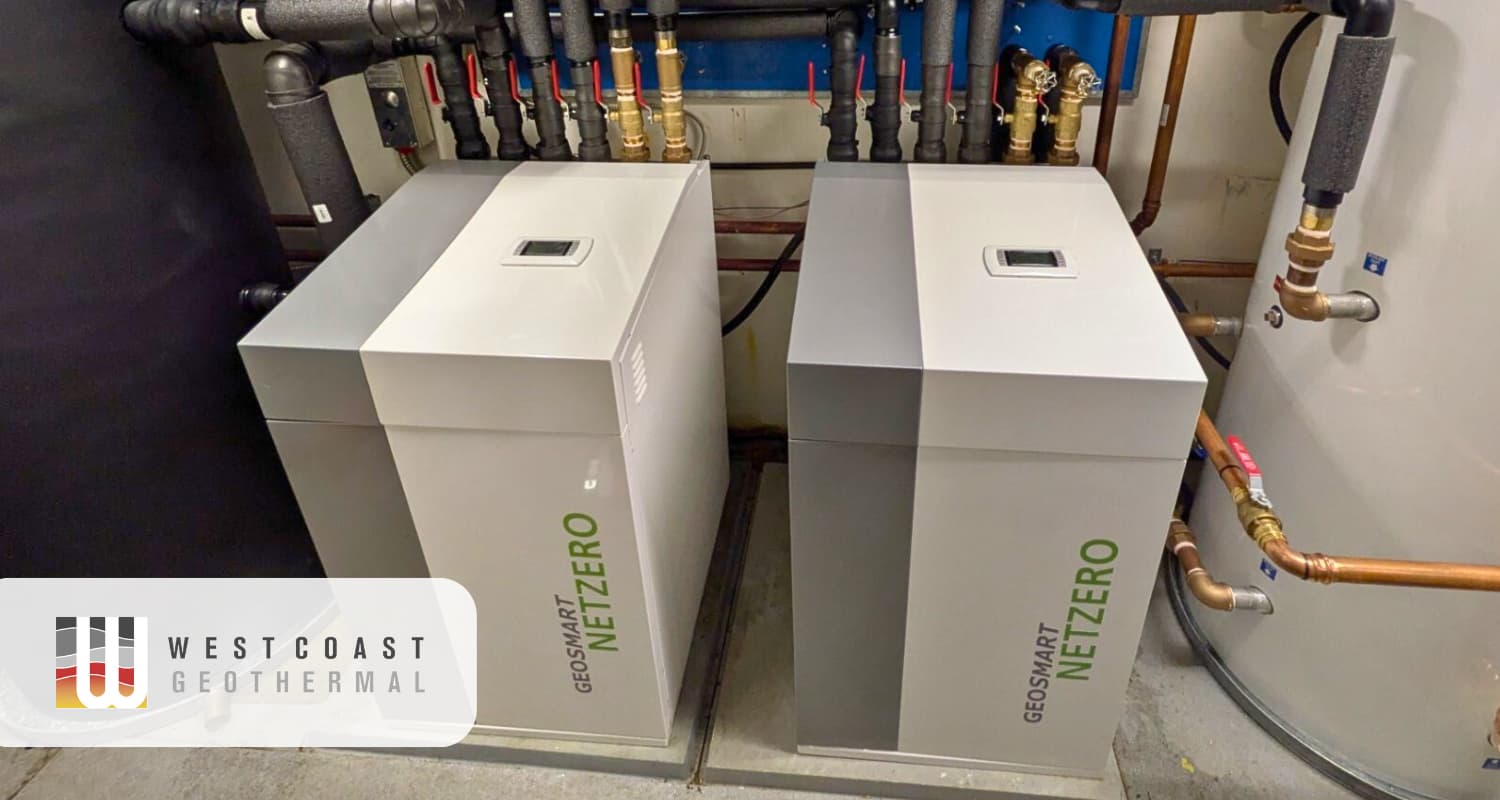
The question is: What do you get over the life of the system?
Think in terms of:
- Operating cost stability (often less exposure to fuel-price swings)
- Comfort (consistent heat, quieter operation, steady indoor temperature)
- Longevity (ground loops can have long service lives)
- Home value and future-proofing (energy upgrades often matter more each year)
- Heating + cooling in one system (especially valuable as summers get hotter)
A good contractor will walk you through what’s realistic for your home: expected performance, project scope, and
what it takes to do it properly. If you’re comparing systems, ask for a clear breakdown of what’s included:
drilling/trenching, loop design, indoor unit, controls, duct/hydronic changes, permits, and commissioning.
6) What happens during a power outage?
Like other heat pump systems, geothermal needs electricity to operate. During a power outage, the system will stop running unless you have backup power (generator or battery system). The good news is that geothermal systems can be compatible with backup solutions—especially if your goal is to maintain essential heat during outages.
If outages are a concern where you live, talk to your contractor about options:
- Emergency heat strategy: how your home will maintain safe temps if power is off
- Backup power sizing: what it would take to run the geothermal system (or parts of it)
- Thermal resilience: how well your home holds heat (insulation/air sealing makes a big difference)
Even without backup power, many well-insulated homes hold temperature surprisingly well for a period of time.
The best upgrade you can make for winter resilience is often improving the envelope—regardless of heating system.
7) Can geothermal work in older homes and retrofits?
Yes—geothermal can be installed in older homes, but the project approach matters. In winter, older homes often reveal their weak spots: drafts, inconsistent heating, and limited insulation. A retrofit geothermal project is most successful when the contractor evaluates both the heat pump system and the home’s comfort fundamentals.
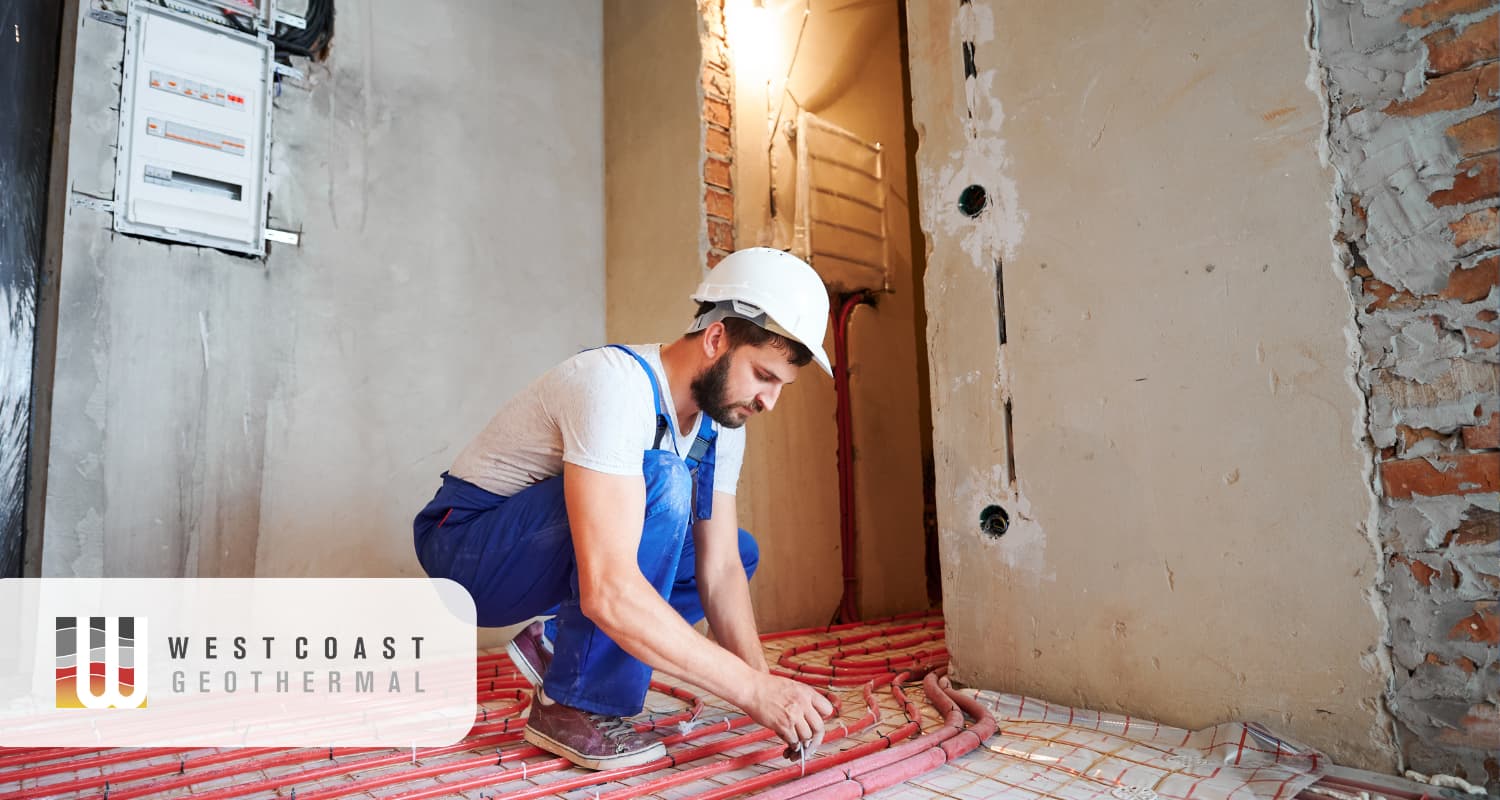
Common retrofit considerations include:
- Ductwork condition: can it deliver the airflow needed for efficient heat pump operation?
- Hydronic/radiant compatibility: can your existing system support lower-temperature operation?
- Space and access: where the indoor unit will be placed, plus drilling/trenching logistics
- Envelope upgrades: air sealing, insulation, and windows to reduce load
The goal is simple: make sure the system is sized and designed around your real heating needs—not assumptions.
In many cases, even small envelope improvements can reduce required system size and improve overall comfort.
8) Will installation destroy my yard?
This is a common concern—especially for homeowners who have put years into landscaping. The short answer:
geothermal installation involves ground work, but modern methods aim to minimize disruption.
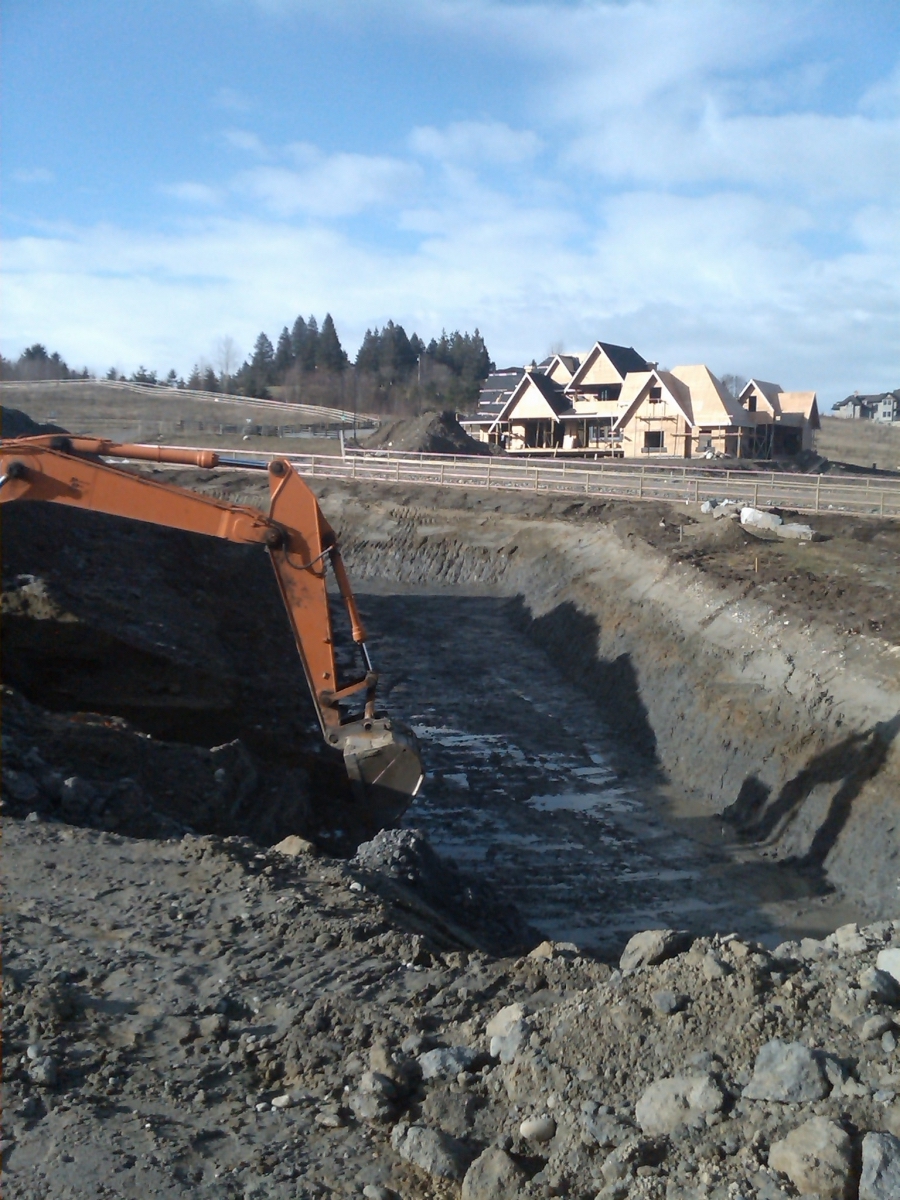
The level of impact depends on the loop type:
- Vertical loops (drilled boreholes): often less surface disruption overall; requires drilling access
- Horizontal loops (trenches): can require more yard area; sometimes more visible short-term disruption
A reputable contractor will plan access routes, staging, and restoration expectations upfront. Many homeowners
choose to schedule installation when it’s easiest to restore landscaping (often spring/summer), but winter is still an
excellent time to plan the layout and understand what your property can support.
9) How long does a geothermal system last?
Longevity is one of geothermal’s strongest advantages. While every system depends on design, installation quality,
and maintenance, many homeowners like geothermal because key components can have long service lives compared to
conventional equipment.
Two parts matter most:
- The indoor heat pump unit: like any mechanical system, it has a service life and needs maintenance
- The ground loop: designed to be durable and long-lasting when installed correctly
The bigger point: geothermal is not a “quick fix.”
It’s an infrastructure-style upgrade. When homeowners ask if it’s worth it, the answer often comes down to how long you plan to stay in the home, how much you value comfort, and how you think about long-term operating costs.
10) Is winter a bad time to start the geothermal process?
Winter is rarely a bad time to start planning. Even if you plan to install later, December is a smart time to:
- Book an initial assessment and discuss feasibility
- Review your current system performance and comfort issues
- Identify envelope improvements that may improve results
- Understand project scope, timelines, and budgeting
- Gather documents and information for rebates/financing (if applicable)
The biggest advantage of winter planning is that you’re making decisions based on real experience—your home is
actively “showing you” what it struggles with. That makes it easier to define what you want to fix: cold rooms,
noisy cycling, humidity issues, or high bills.
Thinking about geothermal in 2026?
If winter has you questioning your current heating setup, now is a great time to get answers.
West Coast Geothermal supports homeowners and businesses across BC and is an
authorized Canadian dealer for geothermal equipment—so you can plan with confidence.
Request a Geothermal Assessment
No pressure—just clarity on options, scope, and fit.
Quick winter geothermal FAQ
These are the short “scan-friendly” answers. (We also include FAQ schema below for search engines.)